How to Furnish a 100-Room Hostel: Beds, Study Tables, Chairs and Storage
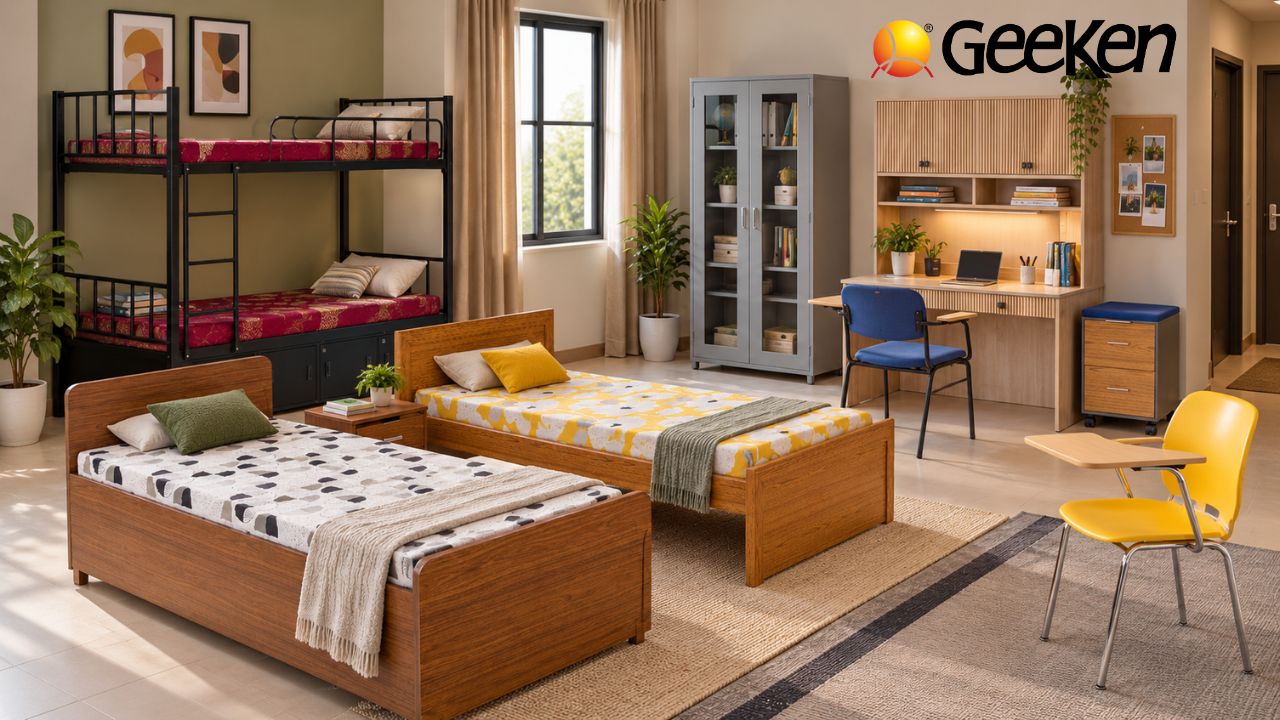
The ₹32 Lakh Hostel Furniture Replacement Nobody Planned For
A private engineering college in Dehradun furnished 120 hostel rooms in 2019 with market-sourced furniture - affordable, fast, delivered in six weeks. By 2022, three years into operation, 40% of the single beds had structural deformations. Study table surfaces had delaminated from moisture exposure. Storage unit hinges had failed across 60+ rooms.
Emergency procurement replacement before NAAC accreditation inspection: ₹32 lakh. Unplanned. Disruptive. Entirely preventable.
Hostel furniture in India that serves institutions for 8–10 years without replacement requires a specification approach most market suppliers don’t apply. As hostel furniture manufacturers with 35+ years supplying educational and residential institutions across India, here’s what 100-room hostel procurement actually requires.
Room Type Determines Furniture Specification
Before specifying a single piece, clarify your room type mix.
Single Occupancy Rooms:
Standard configuration: single bed (1,900mm × 900mm), study table, chair, wardrobe. Each occupant has their own furniture - quality and configuration are straightforward.
Double Occupancy Rooms:
Options: two single beds, or one bunk bed. Bunk beds save 40–45% of floor space and are the standard institutional hostel furniture choice for cost-sensitive double occupancy.
Triple/Quad Occupancy (Common in engineering and medical colleges):
Bunk bed configurations become necessary. Triple occupancy typically uses one bunk bed plus one single bed. Quad uses two bunk beds. Every square foot matters at this density.
Bed Specifications: What Institutional Use Actually Demands
The most expensive post-procurement mistake in hostel furniture solutions is under-specifying beds. Students use beds differently from hotel guests - jumping, sitting on edges, storing items underneath, occasionally leaning entire body weight on corner posts.
Single Bed specification for institutional use:
30mm × 30mm square steel section minimum for the main frame
16-gauge cold-rolled steel (CRC) tube construction
Mesh base rated to 150 kg static load (not 80 kg domestic rating)
Powder-coated finish with 7-stage phosphate pretreatment
Anti-wobble rubber feet
Bunk Bed specification:
Bunk bed manufacturer specifications for institutional grade start at 40mm × 40mm main vertical posts
Ladder rungs welded, not bolted
Safety rail on upper bunk - minimum 150mm height above mattress level
Combined load rating: 250 kg (both bunks simultaneously)
Floor clearance under lower bunk: minimum 350mm for storage
Double bed (for faculty guest rooms or premium student accommodation): 1,900mm × 1,200mm, same structural specification as single.
Study Tables and Chairs
Study table specification for hostel environments:
Top surface: 18mm pre-laminated board, minimum 0.8mm high-pressure laminate (HPL) finish
ABS edge banding (not PVC tape) - resists peeling under humidity and friction
Steel frame: 25mm × 25mm section minimum
Minimum surface area: 900mm × 500mm per student
Wire management notch (laptops and phone chargers are standard now - design for cables)
The single most common hostel furniture failure we see at hostel furniture manufacturers in Delhi: study table surfaces delaminating within 18 months because PVC edge tape was used instead of ABS banding. The material cost difference is minimal. The lifespan difference is 3–5 years.
Storage Furniture
Storage furniture in hostels serves two simultaneous functions: clothing storage and security.
Standard wardrobe for single occupancy: 900mm wide × 1,800mm tall × 450mm deep, two-door, one internal shelf, hanging rod, lock provision. Steel construction.
Common mistake: purchasing wooden wardrobes for hostel environments in humid climates. Institutional hostel furniture in regions with significant humidity fluctuation - most of India - should use steel for all storage units. Wood swells. Doors bind. Locks fail within two monsoons.
Steel wardrobes from established hostel furniture suppliers with proper powder-coating last 12–15 years in institutional environments with zero structural maintenance.
Procurement Strategy for 100 Rooms
100 rooms typically means:
100–200 beds (depending on occupancy type)
100–200 study tables
100–200 chairs
100–200 wardrobes
At this volume, purchasing through best hostel furniture in India retail channels adds 20–30% markup for no manufacturing assurance. Direct procurement from hostel furniture manufacturers eliminates that markup while providing batch consistency - same steel grade, same laminate batch, same powder-coat finish across every room.
Geeken’s institutional supply programme for hostel projects includes:
BIFMA-certified load testing documentation
5-year structural warranty on all steel frames
Phased delivery aligned with room handover schedules
Installation teams with institutional project experience
Laminate batch reservation for future additions
FAQs
Q1. What’s the difference between institutional-grade and standard bunk beds?
Frame section size, load rating, and ladder construction. An institutional bunk bed from a serious bunk bed manufacturer uses 40mm posts rated to 250 kg combined load with welded ladder rungs. Domestic-grade bunk beds use 25mm posts, bolted connections, and ratings that don’t reflect actual institutional use patterns.
Q2. Steel or wood for hostel furniture in India?
Steel for all structural elements - beds, wardrobes, storage furniture units. Wood or engineered board for flat surfaces - study table tops, shelf panels. This combination provides structural durability with appropriate surface functionality. All-wood hostel furniture solutions in humid Indian climates consistently underperform on lifespan.
Q3. How long does 100-room hostel furniture procurement and delivery take?
From order confirmation, established hostel furniture manufacturers in Delhi like Geeken deliver 100-room institutional packages within 4–6 weeks including installation. Phased delivery by floor or block is standard for occupied hostels adding capacity
Copyright ©2026 Geeken. All Rights Reserved.